
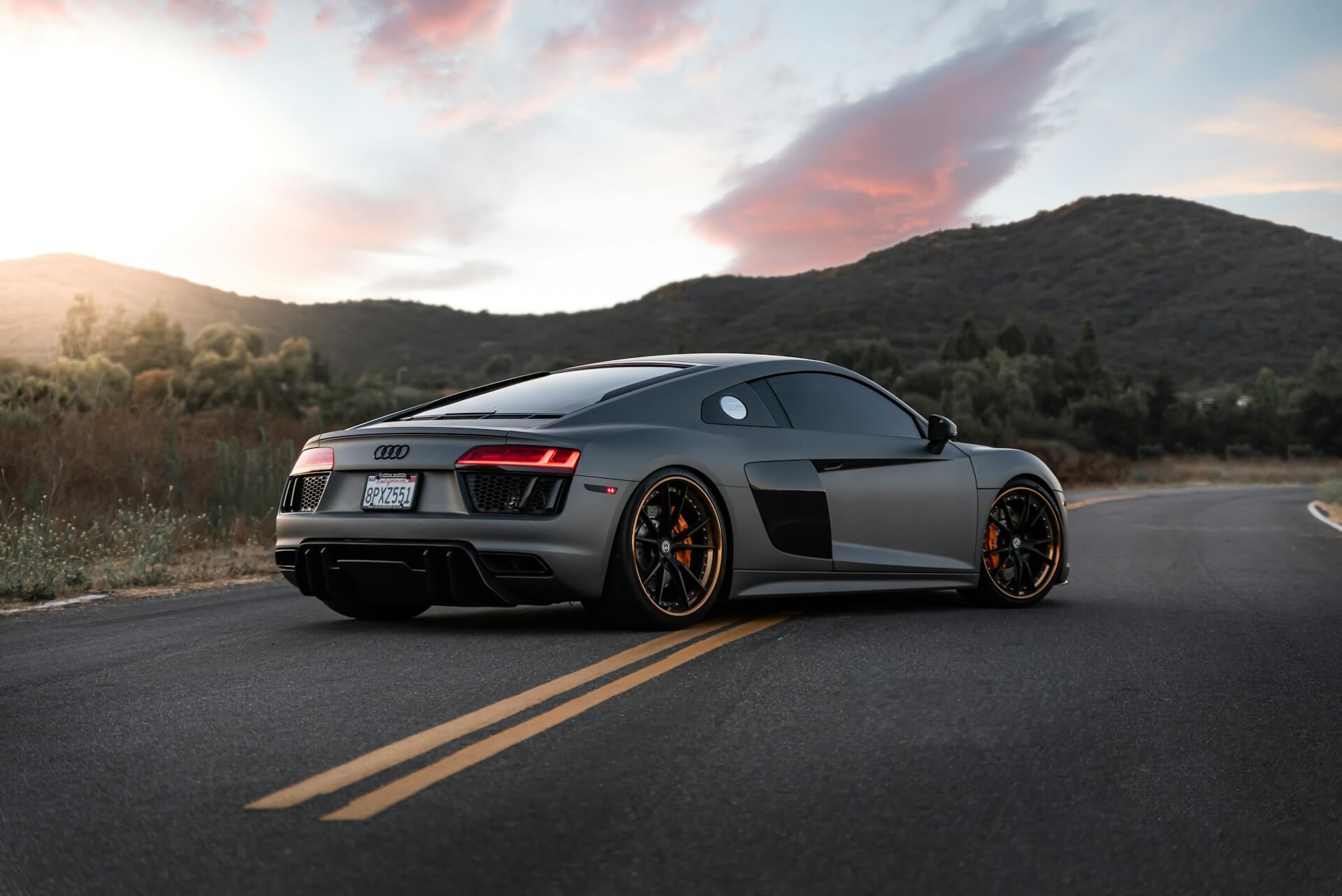
If you’ve landed here searching for Stage 2 remaps in Chester, you’re not looking for a mild improvement. You’re looking for a proper transformation.
Stage 2 is where a car stops feeling “a bit quicker” and starts feeling genuinely different. It’s also where the quality of the work matters more than ever, because you’re no longer working within completely standard limits.
At Remaps Chester, Stage 2 tuning is one of our most requested upgrades, especially from drivers who’ve already had a Stage 1 remap and want to go further. We’re also seeing more customers coming to Remaps Chester after having a poor remap elsewhere and wanting it corrected properly.
This guide is written to help you understand exactly what Stage 2 remapping involves, what parts you’ll typically need, what results you can realistically expect, and how to do it safely in Chester.
What Is a Stage 2 Remap?
A Stage 2 remap is a performance ECU calibration designed for a vehicle with supporting hardware modifications. Unlike Stage 1, which is built for a mechanically standard car, Stage 2 assumes the engine can breathe better, flow more efficiently, and manage higher boost safely.
Stage 2 tuning is not just “more boost”. A proper Stage 2 calibration takes into account airflow, exhaust flow, turbo efficiency, intake temperatures, fuelling limits, and torque management.
When done properly, Stage 2 is one of the best upgrades you can make to a turbocharged car. When done badly, it’s one of the fastest ways to create reliability issues.
Stage 2 vs Stage 1: The Key Difference
Stage 1 is optimised for stock hardware. Stage 2 is optimised for upgraded hardware.
That’s the simplest way to understand it.
A Stage 2 remap is designed to take advantage of parts like a performance downpipe, sports cat, upgraded intercooler, and sometimes an intake upgrade.
Why Stage 2 Remaps in Chester Are Growing in Popularity
Chester has a big mix of drivers, but there’s a clear trend: more people are keeping their cars longer and upgrading them properly.
We see plenty of customers who’ve bought a Golf GTI, Audi S3, BMW 140i, or Fiesta ST and want to build it sensibly. They don’t want a “max effort” tune that feels wild for a week and then breaks something.
They want a fast road car that works on Chester roads, handles motorway runs, and can still be trusted daily.
Stage 2 is the sweet spot for that. It offers serious performance, but it can still be refined and reliable if it’s done properly.
The Chester Driving Mix Makes Stage 2 More Enjoyable
Stage 2 upgrades aren’t just about peak numbers. They make the car pull harder in the mid-range and continue pulling further up the rev range.
That matters when you’re joining the M53, overtaking on the A55, or driving out towards North Wales where long uphill sections can expose how quickly a standard setup runs out of breath.
What Hardware Do You Need for a Stage 2 Remap?
This is where most people go wrong, so let’s be clear.
Stage 2 isn’t a single universal package. The required parts depend on your car, engine, and turbo setup.
However, most Stage 2 builds in Chester include some combination of the following.
Performance Downpipe (Usually Essential)
For many turbo petrol cars, a downpipe is the core Stage 2 requirement.
A factory downpipe is restrictive, and it increases exhaust back pressure. That limits turbo efficiency and raises exhaust gas temperatures.
A quality downpipe improves flow and allows the turbo to operate more efficiently, especially at higher load.
Sports Cat or Decat: What’s the Difference?
A sports cat is a high-flow catalytic converter. It improves flow while keeping emissions equipment in place.
A decat removes the catalytic converter entirely. That’s generally not suitable for road use in the UK and can cause MOT issues.
At Remaps Chester, we focus on sensible road builds. For most customers, a quality sports cat is the best choice.
Upgraded Intercooler (Strongly Recommended)
Once you increase boost and airflow, intake temperatures rise.
High intake temperatures reduce performance and increase the risk of knock on petrol engines. They also reduce consistency, meaning the car feels strong for one pull, then weaker for the next.
A good intercooler helps maintain stable intake temperatures. It’s one of the most valuable Stage 2 upgrades, especially for cars driven hard or used on longer motorway runs.
Intake Upgrade (Sometimes Useful)
An intake upgrade can help, but it’s often oversold.
On many cars, the factory intake is good enough for Stage 2, especially if it’s been maintained and the filter is clean.
That said, certain platforms benefit more than others, and we’ll always advise honestly based on your car.
Spark Plugs and Maintenance Items (Often Overlooked)
Stage 2 puts more demand on the ignition system.
On turbo petrol engines, we often recommend upgraded spark plugs gapped correctly for higher boost, plus fresh coils if the car is known for coil issues.
This isn’t glamorous, but it’s what separates a Stage 2 car that runs perfectly from one that misfires under load.
Stage 2 Remap Gains: What You Can Expect
Stage 2 results depend heavily on the platform. Some engines gain huge power with minimal changes, while others gain more modestly but become far stronger and more consistent.
At Remaps Chester, we focus on realistic gains, not marketing figures.
Typical Stage 2 Gains for Popular Turbo Petrol Cars
These are general ranges, and your results will depend on your vehicle’s condition, fuel quality, and supporting modifications.
- VW/Audi 2.0 TSI (GTI/S3): typically +70–110 bhp over stock
- BMW B58 (140i/240i/340i): typically +80–140 bhp over stock
- Ford Fiesta ST: typically +40–70 bhp over stock
- MINI Cooper S (turbo models): typically +40–80 bhp over stock
What most drivers notice is how much harder the car pulls beyond mid-range. Stage 2 cars tend to keep pulling where Stage 1 starts to flatten out.
Stage 2 Gains for Turbo Diesel Cars
Stage 2 diesel builds exist, but they need to be approached carefully.
Diesels can gain strong torque, but they also bring extra considerations around DPF systems, EGT control, and clutch/gearbox limits.
For many diesel drivers, Stage 1 is the smarter choice. If you want Stage 2 on a diesel, we’ll discuss it properly and make sure it’s suitable.
How a Proper Stage 2 Remap Should Feel
A well-tuned Stage 2 car should feel:
- stronger everywhere
- smoother than you expect
- consistent pull after pull
- responsive without being aggressive
- like the car has “more engine”
It should not feel like a switch has been flicked. It should not surge unpredictably. It should not hesitate, misfire, or feel harsh on the drivetrain.
The best Stage 2 remaps feel factory-level in smoothness, just with significantly more performance.
A Real Example We See All the Time
One of the most common situations we see at Remaps Chester is a customer who’s had a Stage 1 remap for a year, loved it, and then decided to go Stage 2.
The first thing they usually say after Stage 2 is that it doesn’t just feel faster. It feels like the car finally breathes properly.
That’s what supporting modifications do. They don’t just add power. They make the engine operate more efficiently.
Stage 2 Remaps and Reliability: What You Need to Know
Stage 2 is safe when it’s built properly.
But you do need to be more realistic than Stage 1. You’re asking more from the engine, turbo, clutch, gearbox, cooling system, and fuel system.
If your car is tired, poorly maintained, or already has underlying issues, Stage 2 will expose them.
At Remaps Chester, we’d rather lose a booking than tune a car that’s going to let you down.
The Biggest Reliability Risks at Stage 2
Most Stage 2 problems come from one of these areas:
- poor quality parts (cheap downpipes, poor intercoolers)
- generic off-the-shelf tuning
- torque delivery that’s too aggressive
- overheating intake temps
- weak clutches on manual cars
- gearboxes not calibrated for the torque
- neglected maintenance
Stage 2 is not the place to cut corners. It always costs more later.
Stage 2 and Gearbox Tuning (DSG, ZF, Automatics)
This is one of the most important parts of Stage 2, and it’s often ignored.
Many modern gearboxes have torque limiters. That means even if the engine can produce more power, the gearbox will request torque reduction or the ECU will limit output.
On platforms like VW DSG or BMW ZF, gearbox tuning can:
- raise torque limits
- improve shift speed
- improve shift logic
- reduce hesitation
- make the car feel far more responsive
For many cars, a Stage 2 build isn’t complete without a gearbox tune. It’s not mandatory in every case, but it’s often the difference between “fast” and “properly sorted”.
Stage 2 Remaps and Fuel: What Should You Run?
Fuel quality matters far more at Stage 2 than Stage 1.
Many Stage 2 remaps are calibrated for 99 RON fuel (such as Shell V-Power or Tesco Momentum). That’s because higher boost and higher load increase knock sensitivity on petrol engines.
Running low-quality fuel on a Stage 2 car can lead to reduced performance and, in worst cases, knock-related issues.
At Remaps Chester, we’ll tell you exactly what fuel we recommend for your specific setup.
Can You Run a Stage 2 Remap on Standard Fuel?
In some cases, yes, but it depends on the car and calibration.
If you want a Stage 2 car that runs on standard 95 RON, that needs to be planned properly. You may not achieve the same peak numbers, but you can still build a strong and safe setup.
Stage 2 Remaps and MOT in the UK
This is where people get nervous, and rightly so.
Stage 2 builds often involve exhaust modifications, and that can affect MOT compliance depending on what’s been changed.
A sports cat is generally the best route for a road-driven Stage 2 car. It improves flow while retaining emissions equipment.
A decat is not recommended for road cars. It can trigger warning lights, increase emissions, and create MOT issues.
If you want a Stage 2 build that’s sensible for UK roads, we’ll help you plan it properly.
Stage 2 Remap vs “Pop and Bang” Maps
This needs saying clearly.
Stage 2 is about performance and efficiency. A proper Stage 2 remap is not about childish noise, excessive flames, or turning your car into something you’re embarrassed to drive past your neighbours.
Some customers ask about pop and bang maps. If that’s what you want, we can discuss it.
But at Remaps Chester, our focus is on strong, safe, usable performance that you can enjoy daily in Chester without drama.
The Stage 2 Remap Process at Remaps Chester
Stage 2 remapping is not a 20-minute job, and it shouldn’t be.
A professional Stage 2 process includes checks, planning, and a calibration that matches the hardware fitted.
Vehicle Health Checks and Diagnostics
Before tuning, we check for fault codes and ensure the engine is healthy.
There’s no point installing a Stage 2 remap if the car has misfires, boost leaks, weak coils, or a slipping clutch.
Confirming Hardware Is Correct
We verify what parts are fitted and whether they’re suitable.
This is important because not all “Stage 2” parts are equal. Two downpipes can look similar, but perform very differently.
Installing the Stage 2 Calibration
We install a Stage 2 remap designed for the ECU and hardware combination.
A good tune is smooth, safe, and properly managed. It should not be overly aggressive in torque delivery, especially in the lower gears.
Testing and Driveability Checks
Once tuned, we ensure the car drives correctly, pulls cleanly, and behaves properly across the rev range.
Stage 2 should feel exciting, but still refined.
Common Cars We Stage 2 Remap in Chester
Chester has a strong scene for modified cars, especially in VW, Audi, BMW, and Ford platforms.
At Remaps Chester, some of the most common Stage 2 vehicles we see include:
VW and Audi Platforms
- Golf GTI and Golf R
- Audi S3 and Audi A4 TFSI
- Seat Leon Cupra
- Skoda Octavia vRS
BMW Platforms
- 140i, 240i, 340i (B58 engines)
- 335i and 435i (N55 engines)
Ford Platforms
- Fiesta ST
- Focus ST
- EcoBoost turbo models
Performance Daily Drivers
We also see plenty of Stage 2 builds that are daily driven, including cars used for commuting, family life, and long-distance travel.
Stage 2 doesn’t have to mean unreliable. It just needs to be done properly.
Why Choose Remaps Chester for Stage 2 Remaps in Chester?
Stage 2 tuning is where experience really matters.
A Stage 2 car isn’t just tuned. It’s built. The hardware, the calibration, and the way the power is delivered all have to work together.
At Remaps Chester, we focus on:
- safe, proven Stage 2 calibrations
- smooth torque delivery that protects the drivetrain
- realistic expectations and honest advice
- tuning that suits real Chester driving
- a professional service, not a rushed job
We’re not here to chase the biggest number. We’re here to build cars that feel incredible and stay reliable.
Stage 2 Remaps in Chester: Final Thoughts
A Stage 2 remap is one of the most rewarding upgrades you can make to a turbocharged car. It delivers serious performance gains, improved consistency, and a driving experience that feels genuinely upgraded rather than artificially boosted.
But Stage 2 is also where cutting corners becomes expensive. Cheap parts, generic tuning, and rushed work are the quickest ways to turn an exciting upgrade into a headache.
If you’re looking for Stage 2 remaps in Chester and you want it done properly, with reliability and real-world drivability at the heart of it, Remaps Chester is the place to start.
Get A Quick Quote
Please provide your contact details here, and we’ll get back to you shortly with a personalised quote.